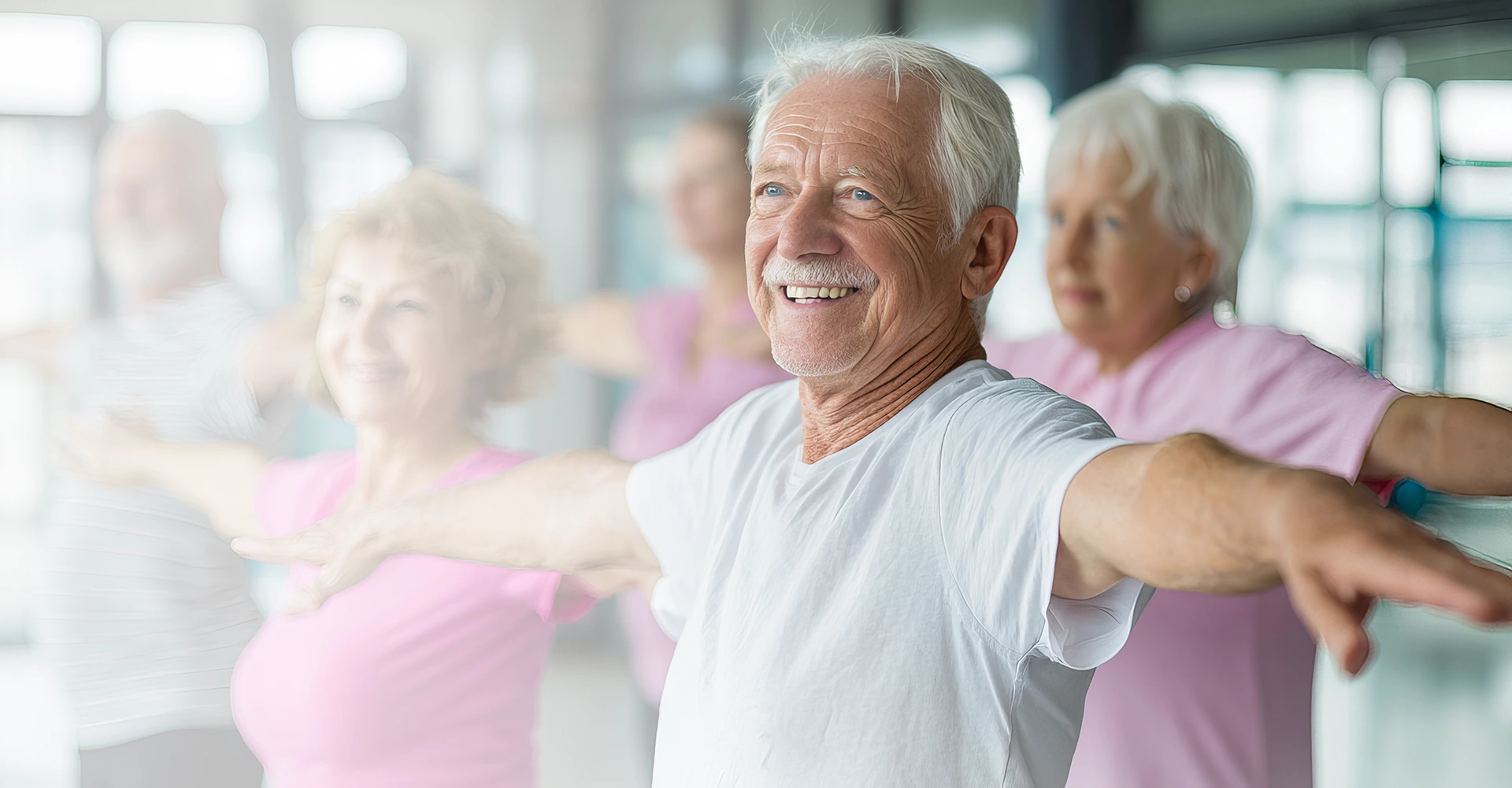
Comprehending holistic health dynamics in later life
An examination of physiological and lifestyle factors affecting senior vitality.
Foundations of senior wellness and geriatric prevention
Physiological changes and metabolic shifts in aging
The aging process involves complex metabolic and cellular changes. Muscle mass decreases, causing sarcopenia, while bone density diminishes, increasing the risk of osteoporosis and fragility fractures.
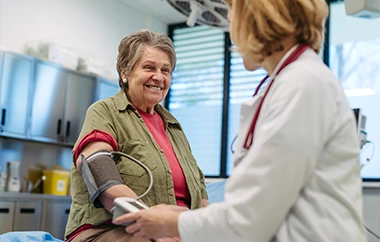
The importance of preventive geriatric screenings
Preventive gerontology is crucial for early detection. Regular screenings for hypertension, cholesterol, and bone mineral density allow for timely intervention and chronic disease management.
Cognitive function and brain plasticity maintenance
Maintaining cognitive reserve involves continuous mental stimulation and social connectivity. Activities challenging neuroplasticity support neural pathways, while community interaction effectively combats senior isolation.
Nutritional requirements for aging adults

Adjusting macronutrient ratios
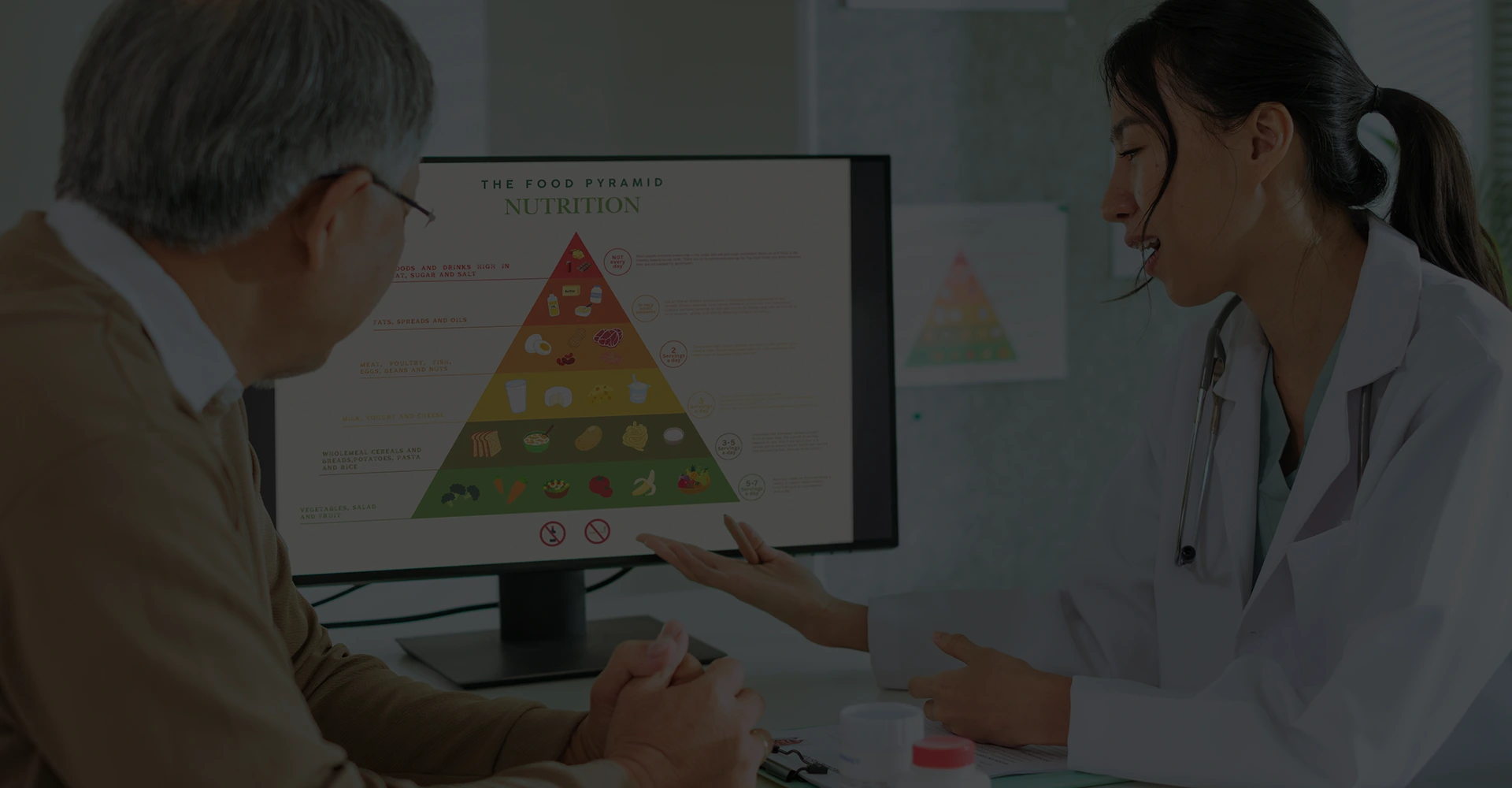
As basal metabolic rates slow, caloric needs decrease, yet nutrient-dense food demand rises. Lean protein intake is essential to counteract muscle atrophy and support tissue repair.

The role of essential micronutrients and hydration
Essential micronutrients like calcium and Vitamin D ensure skeletal integrity. Adequate hydration is critical as diminished thirst perception increases serious geriatric dehydration risks.

Dietary fiber for gastrointestinal health
A regimen rich in soluble fiber from whole grains supports gastrointestinal motility. It aids regular bowel movements and contributes to managing glycemic levels and cholesterol.
Adapted physical activity for mobility and autonomy
Regular physical activity preserves functional autonomy in older adults. Adapted exercise programs address balance, strength, and joint flexibility, mitigating high risks associated with a sedentary lifestyle.

Resistance training to combat muscle loss
Resistance exercises help maintain skeletal muscle mass. This is vital for supporting metabolism, improving core stability, and performing activities of daily living with ease.

Proprioception exercises to reduce fall risk
Activities challenging stability, like Tai Chi or balance drills, are crucial for fall prevention. Improving proprioception helps the body maintain postural control during movement.

Low-impact cardio-respiratory activities
Exercises like swimming, aquatic therapy, or recumbent cycling enhance cardiovascular health without joint strain. These activities improve blood circulation and aerobic endurance.
Medication adherence and care coordination
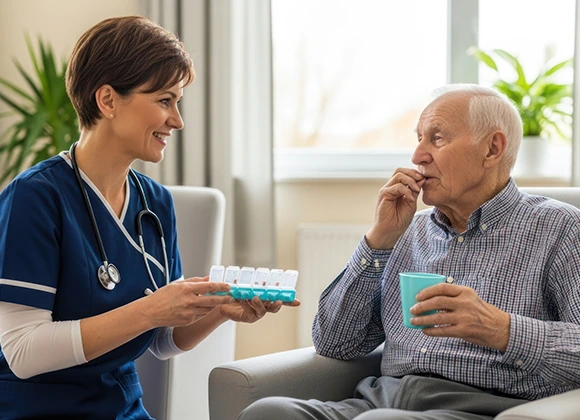
Managing age-related multimorbidity often requires complex drug regimens. Polypharmacy necessitates medication adherence tools and coordination with clinical pharmacists to avoid adverse drug interactions and ensure treatment efficacy.

The impact of psychological and social engagement
Holistic well-being encompasses psychological health beyond the physical. Participating in social clubs or volunteer work provides purpose and fosters intergenerational connections essential for emotional resilience.
Cognitive stimulation through lifelong learning maintains mental acuity. Engaging in new skills challenges the brain, supporting cognitive reserves. Positive psychology and stress management are key components of quality of life.
Fostering independent living through home adaptation
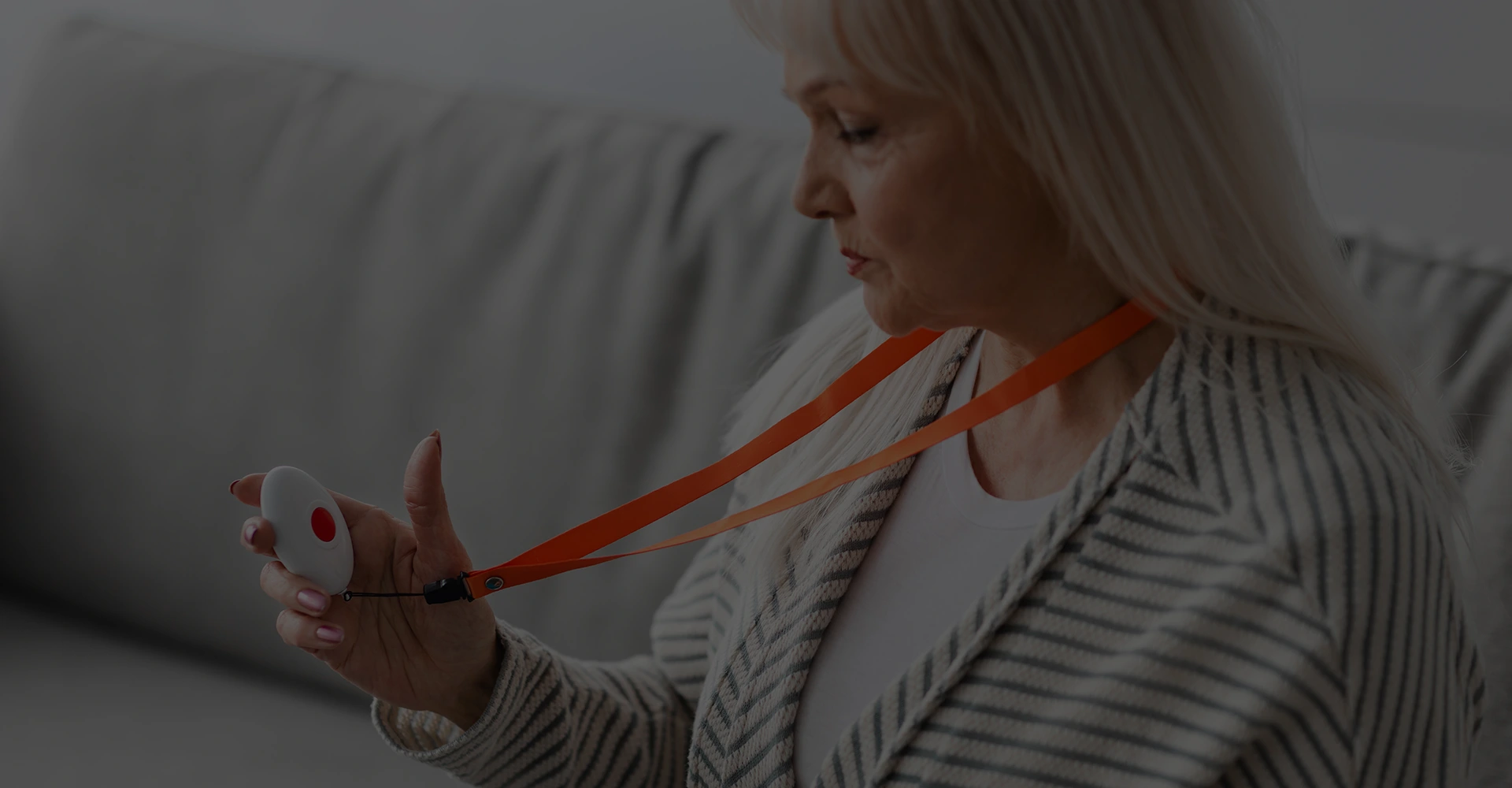
Aging in place relies on personal resilience, community support, and adapted living environments. Home care services offer assistance with medical transportation or chores, facilitating independent living. Home modifications, like bathroom grab bars or ergonomic lighting, significantly reduce domestic fall risks. Assistive technology, from automated dispensers to medical alert systems, plays a crucial role in supporting autonomy and security for individuals and family caregivers.
Integrating e-health technology for monitoring
Gerontechnology offers valuable tools for health management. Health wearables track activity and biometrics, providing data for individuals and healthcare providers. Telemedicine services facilitate remote consultations, ensuring easy access to medical advice.
Digital health applications assist with medication schedules, cognitive training, and social networking. These technologies feature intuitive interfaces to enhance safety and health communication. Adopting these tools empowers seniors to take a more active role in their own self-care management and well-being.